About
What is ARC Robotics
The ARC Championship (ARCC) is a robotics competition designed for participants to showcase their engineering capabilities through tactical combat and technical challenges.
The ARC Championship (ARCC), formerly known as RoboMaster North America, is a university-level robotics competition that brings together student teams from across North America.
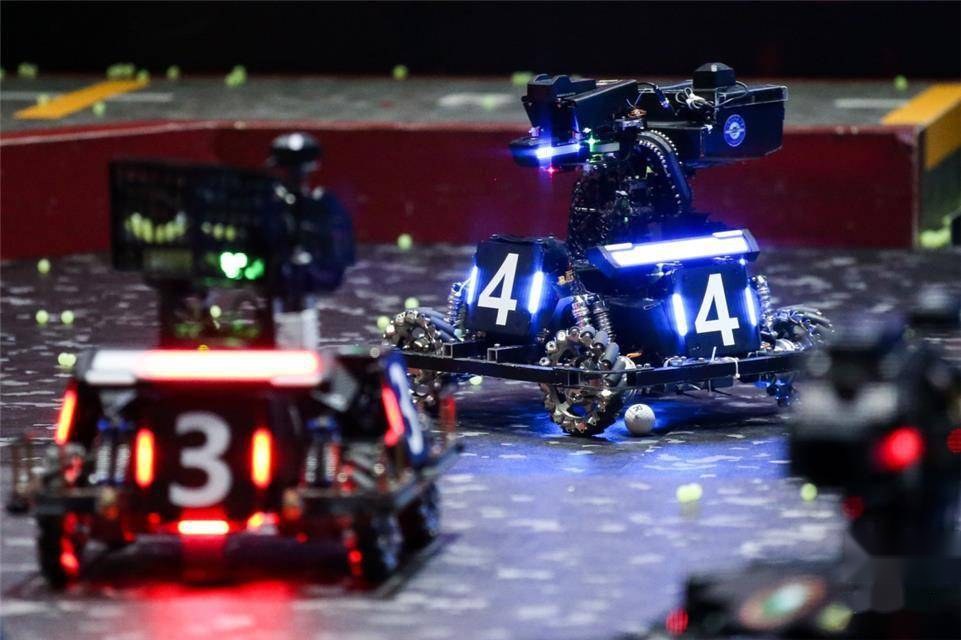
Combining engineering with fast-paced, strategy-based combat, teams design and build robots with launching systems, armor panels, and manual or autonomous controls. During matches, robots fire 17 mm and 42 mm projectiles to damage opponents while defending their own base.
With events ranging from 1v1 battles to 3v3 team matches and engineering challenges, ARC puts students’ designs to the test in a competitive environment.
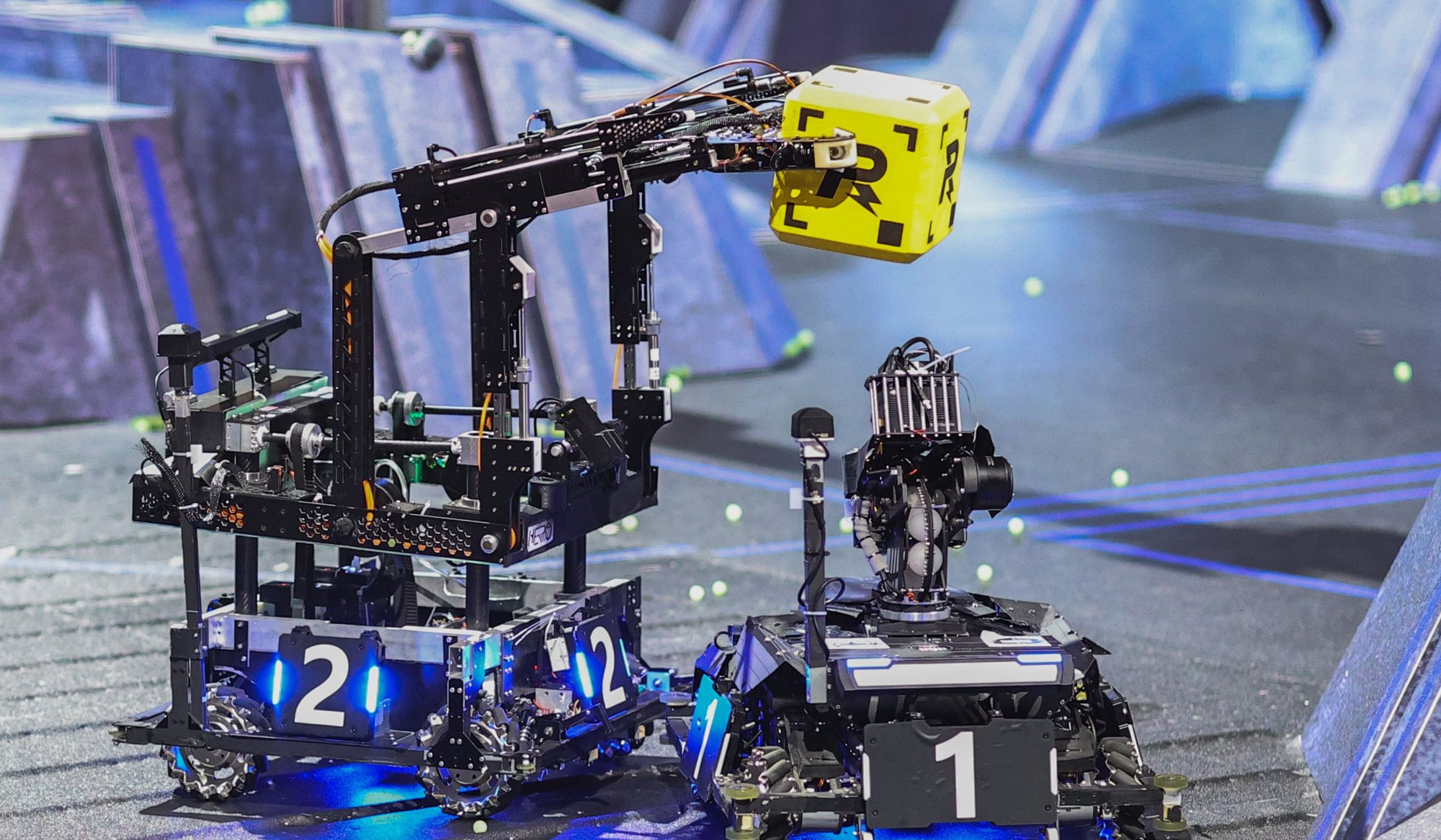
Team performance is governed by strict technical constraints (opens in a new tab). Our robots must operate within defined limits on power, ammunition, heat, size, and system behavior. Meeting these requirements takes more than just a working design. Every mechanical, electrical, and software system must be built to perform reliably under competition conditions.
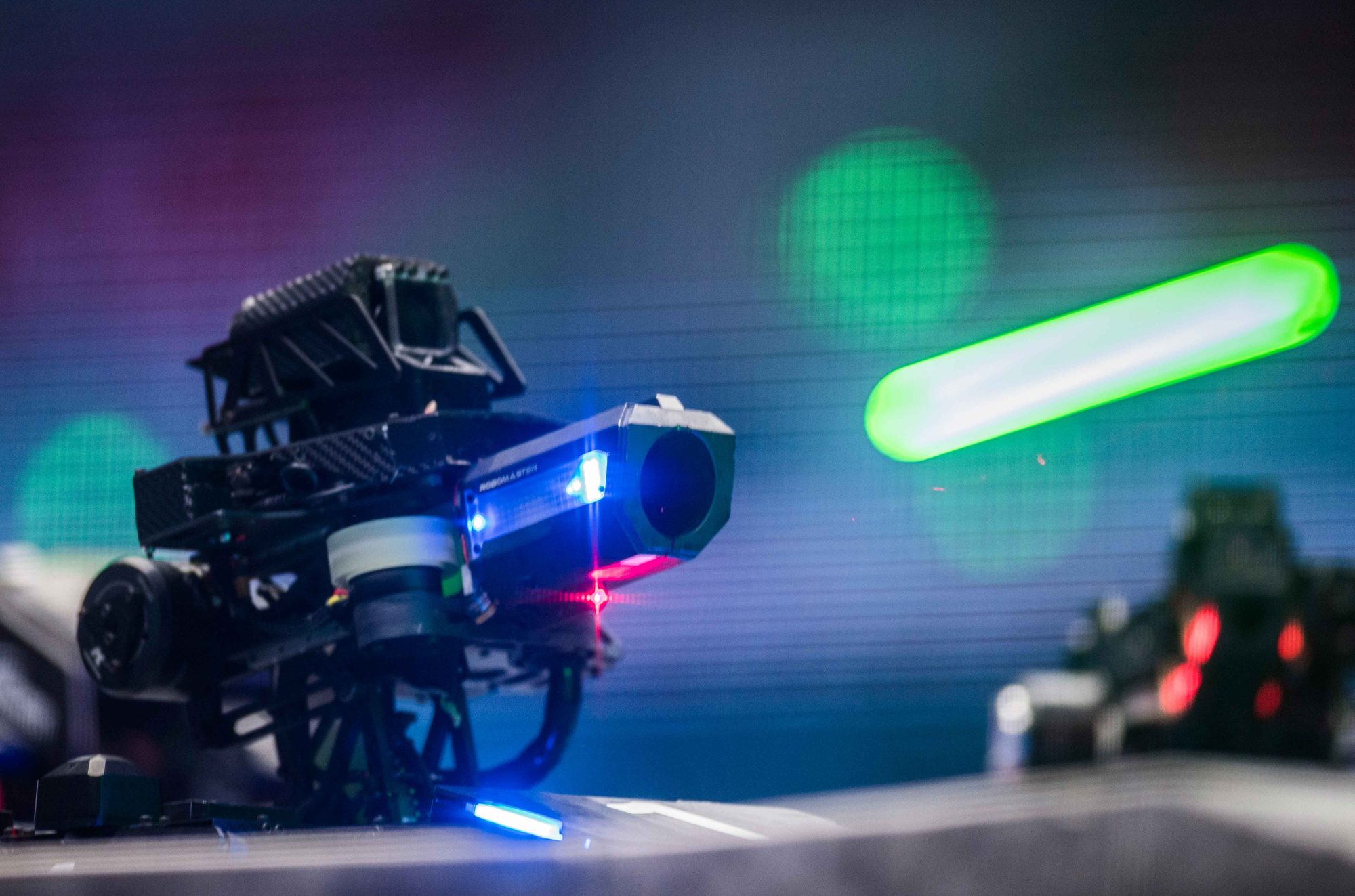
But building each system is only part of the challenge. Mobility, targeting, vision, embedded control, autonomy, thermal management, and communication all have to work together. A weakness in one subsystem can affect the performance of the entire robot, making system integration just as important as the individual designs.
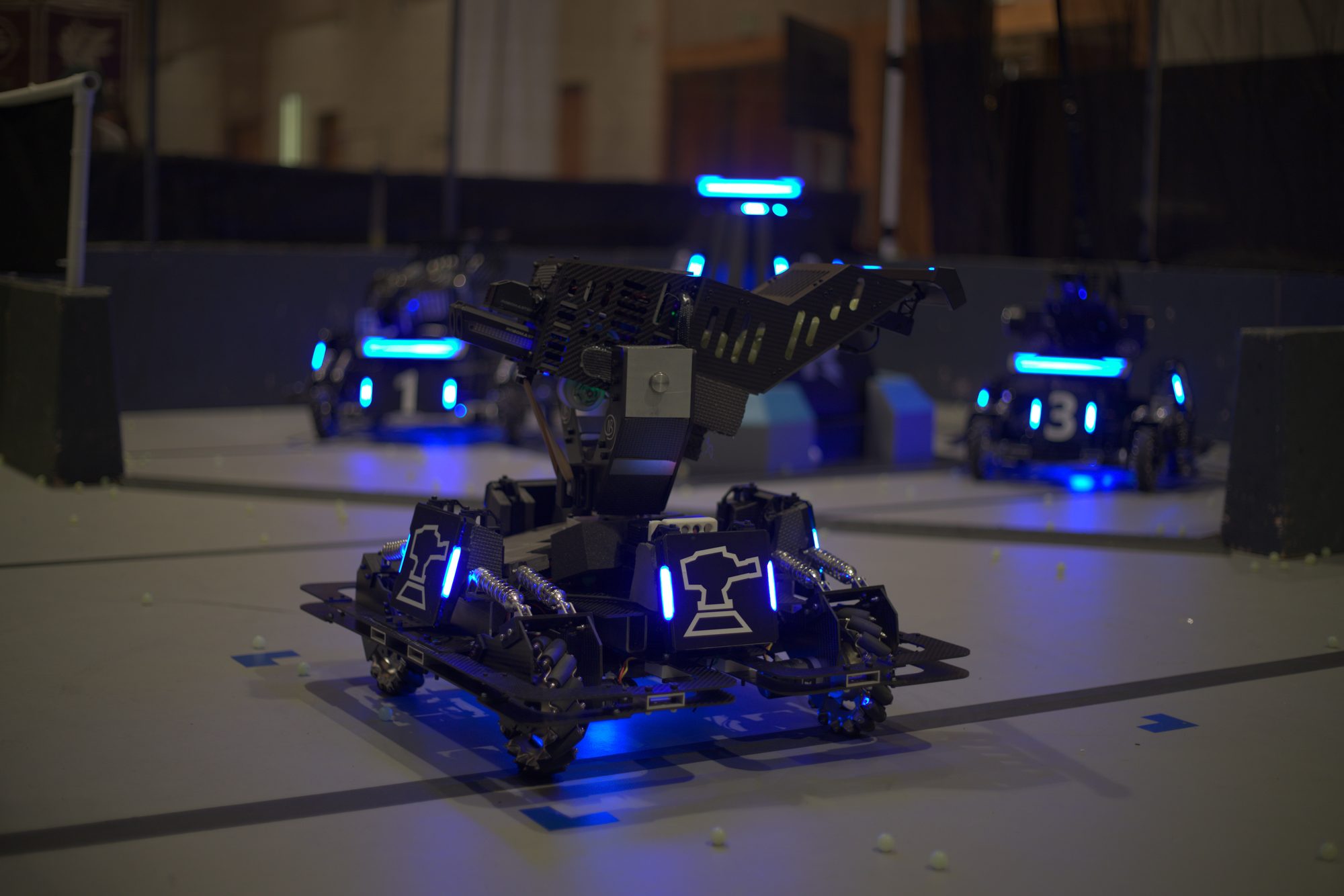
And even a well-designed robot must survive repeated rounds of competition. With limited time for inspection and repair between matches, reliability and serviceability are just as important as raw performance. Every design decision involves balancing speed, firepower, and durability with the ability to make quick repairs and get our robots back on the field.

Gallery
From the field
Formats
Ways to compete
1v1
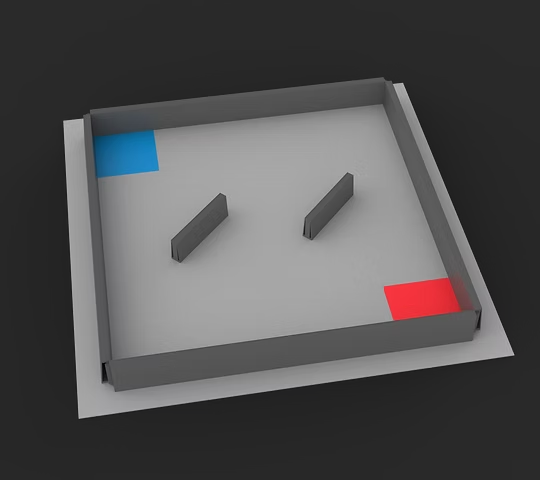
Each team fields one operated Infantry robot for a head-to-head shooting match on a 5 m by 5 m field.
3v3
Two teams each field three custom-built robots on a specialized field for tactical combat and objective control.
Engineer Challenge
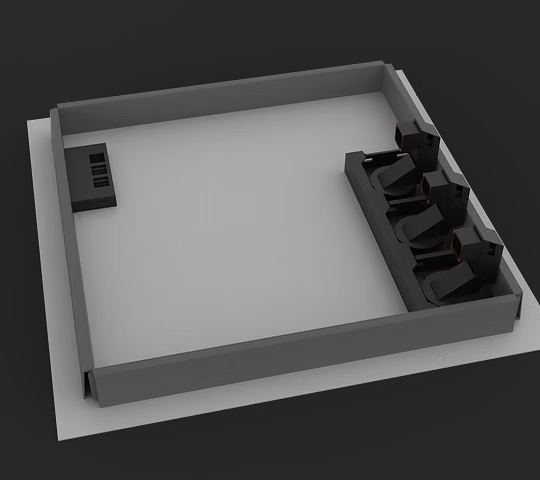
A separate challenge built around the Engineer robot, which handles objects on its own 5 m by 5 m field.
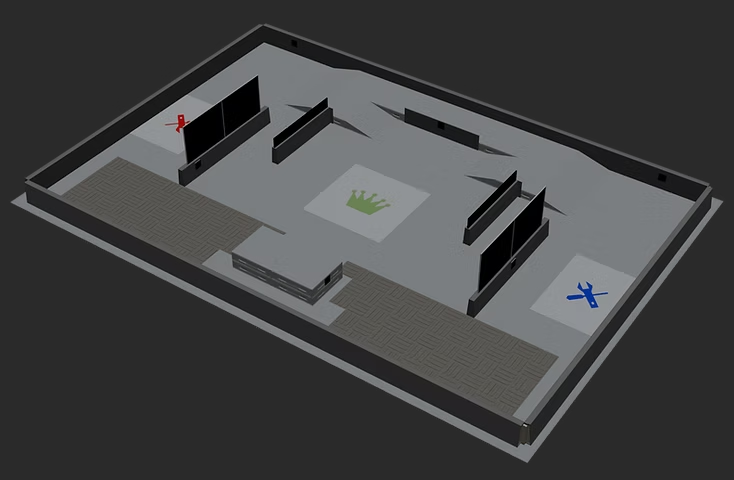
The 3v3 match at a glance
- Round
- 5 minutes, after a 3 minute setup period
- Field
- 12 m × 8 m, with a central control zone
- Each team fields
- One Hero, one Infantry, one Sentry
- Projectiles
- 42 mm (Hero), 17 mm (Infantry, Sentry)
- Driving
- Hero and Infantry have operators. The Sentry is fully autonomous.
- Goal
- Control the battlefield and drain the opponent's victory points first
The 1v1 match at a glance
- Round
- 2 minutes, after a 2 minute setup period
- Field
- 5 m × 5 m, with a starting zone and bunkers for each team
- Each team fields
- One Infantry
- Projectiles
- 17 mm, with 200 projectiles per round
- Driving
- One operator drives the Infantry
- Goal
- Destroy the other team's robot, or finish the round with more HP
- Format
- Best of 2 in the group stage, best of 3 in the knockout stage
The Engineer Challenge at a glance
- Round
- 3 minutes
- Field
- 5 m × 5 m, with a starting zone, a resource zone, and an assembly zone
- Each team fields
- One Engineer
- Driving
- One operator drives the Engineer
- Task
- Pull Energy Units off the resource zone and assemble them onto the Tech Cores
- Goal
- Score more points than the other teams to rank higher
On the field
The battlefield
- 3v3 field, 2026
- Engineer field, 2026
- Championship field
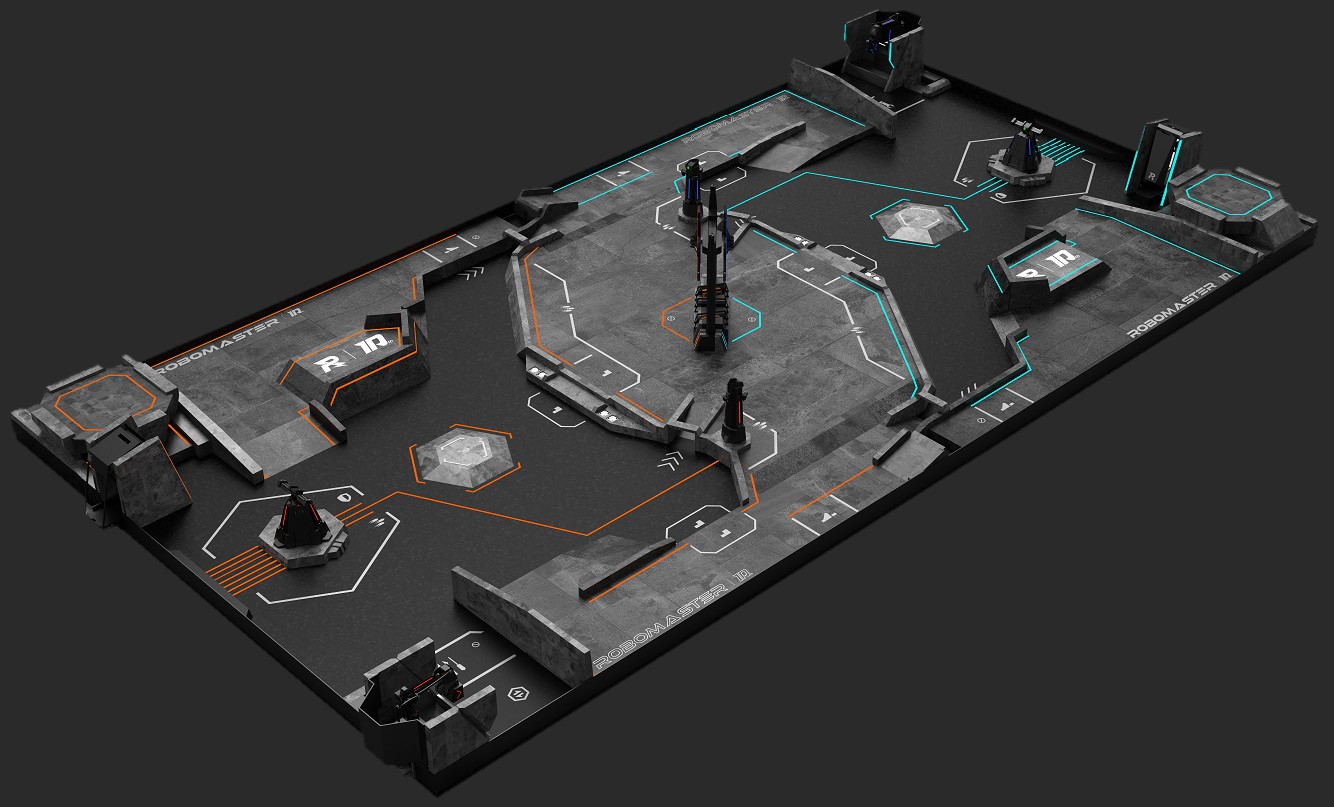
Championship field render: University Championship rules manual.
The rules
Read the rule manual
Every robot we build is designed around the official ARC Robotics rules: robot types, performance limits, and how matches are scored.
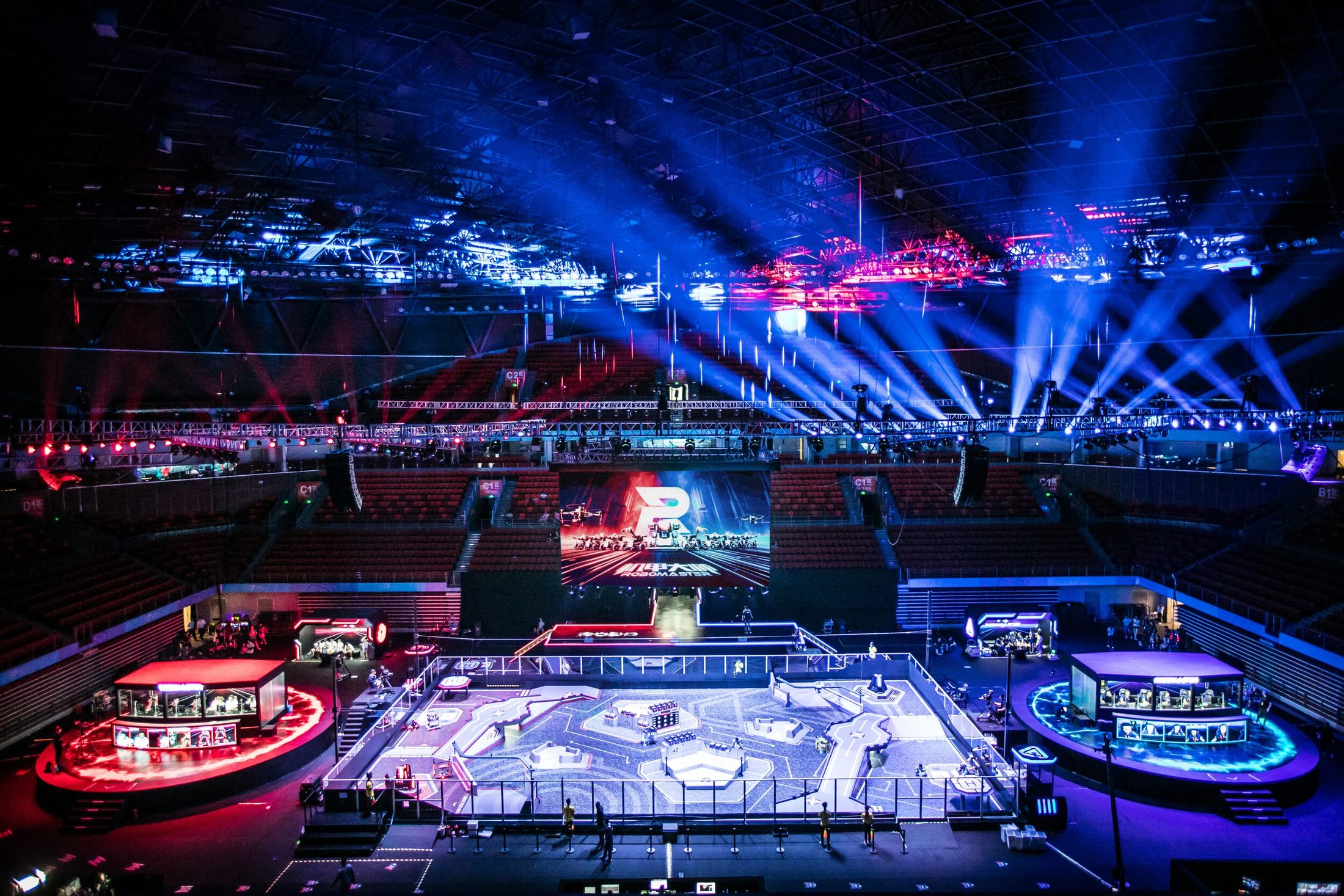
Systems engineering competition
Ultimately, the ARC Championship is a systems-engineering competition. Winning requires more than a fast drivetrain or an accurate launcher. It requires every subsystem to be designed around the demands of the match and integrated into a robot that can perform consistently under pressure.